

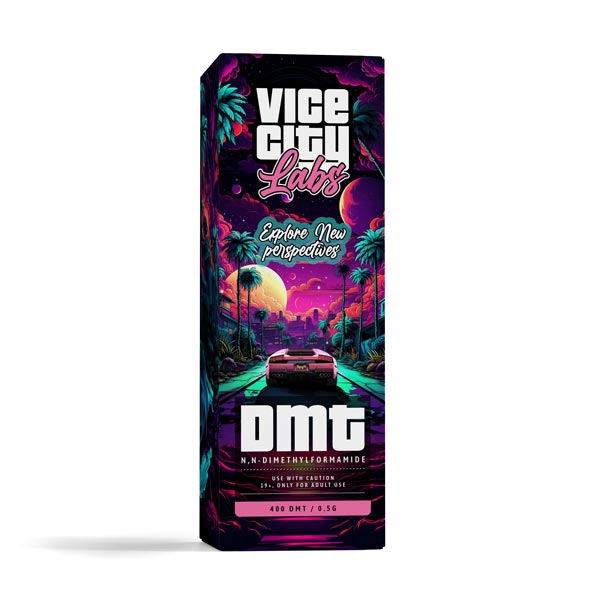
0.5ml DMT Vape Cart – 400mg Vice City Labs
$160.00
Description
Description
DMT Drug Cart: What It Is, How It Works, Effects, Risks, and Everything In Between
Introduction
A DMT drug cart is simultaneously one of the most misunderstood products in the psychedelic space and one of the most straightforward in terms of what it physically is: a small vape cartridge loaded with N,N-Dimethyltryptamine — a naturally occurring compound found across hundreds of plant species, present in trace amounts in the human brain, and capable of producing some of the most profound altered states of consciousness documented in any context. The “drug cart” framing captures exactly why this product sits at an unusual intersection — it is a drug in the full pharmacological sense (a compound that alters brain function), and a cart in the full hardware sense (a standard 510-thread vape cartridge indistinguishable from nicotine and cannabis products on the shelf). Understanding both dimensions — the drug and the delivery format — is what this guide is built around. Whether you’re researching DMT carts for the first time, evaluating one you’ve been offered, or looking to understand the risk and safety picture with more depth than a surface-level overview provides, this is the most complete resource available.
What Is a DMT Drug Cart?
A DMT drug cart is a pre-filled vape cartridge containing N,N-Dimethyltryptamine (N,N-DMT)— a tryptamine-class psychedelic — dissolved in a propylene glycol and vegetable glycerin carrier solution, in a standard 510-thread hardware format. When attached to a compatible battery and activated, the heating element vaporizes the DMT solution and delivers the compound directly through the lungs into systemic circulation. Effects begin within 10–45 seconds of inhalation and reach peak intensity within 2–5 minu
DMT Drug Cart: What It Is, How It Works, Effects, Risks, and Everything In Between
Meta Description: A DMT drug cart is a vape cartridge loaded with one of the most powerful psychedelic compounds known. Here’s everything you need to understand — chemistry, effects, risks, and more. (157 characters)
What Is a DMT Drug Cart?
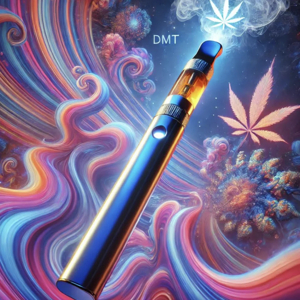
A DMT drug cart is a pre-filled vape cartridge containing N,N-Dimethyltryptamine (N,N-DMT) — a tryptamine-class psychedelic — dissolved in a propylene glycol and vegetable glycerin carrier solution, in a standard 510-thread hardware format. When attached to a compatible battery and activated, the heating element vaporizes the DMT solution and delivers the compound directly through the lungs into systemic circulation. Effects begin within 10–45 seconds of inhalation and reach peak intensity within 2–5 minutes.
The “cart” in DMT drug cart refers to the same vape cartridge format used for nicotine salts and cannabis concentrates — the same glass or plastic chamber, the same ceramic or cotton coil, the same 510-thread connection to a standard battery. The physical object is unremarkable. What makes it a distinctly different product is the compound inside: DMT has been described by researchers, clinicians, and users across cultures as producing experiences that are qualitatively unlike anything produced by cannabis, alcohol, or conventional stimulants.
DMT as a Drug: The Pharmacological Foundation
N,N-Dimethyltryptamine is classified as a psychedelic hallucinogen — a compound that alters perception, cognition, and mood through direct action on serotonin receptors in the brain. Specifically, DMT acts as an agonist at 5-HT2A serotonin receptors — the same binding site targeted by psilocybin, LSD, and mescaline. This shared mechanism is why DMT is categorized within the classical psychedelic class despite its dramatically different timeline and intensity profile.
What makes DMT distinct within its drug class:
-
Endogenous production — DMT is synthesized naturally in the human body, detected in trace amounts in blood, urine, and cerebrospinal fluid. It is one of the few controlled substances that humans produce internally. This has prompted ongoing scientific debate about its physiological role
-
Natural plant source — found in dozens of plant species worldwide, most concentrated in the root bark of Mimosa hostilis and the leaves of Psychotria viridis
-
Extreme onset speed when vaporized — inhalation bypasses all metabolic processing and delivers DMT to the brain in seconds, producing effects faster than any oral psychedelic and most injectable compounds
-
Complete metabolism within 30–45 minutes — unlike LSD (12+ hours) or psilocybin (4–6 hours), DMT is metabolized by monoamine oxidase enzymes almost immediately after inhalation, producing a total session duration of 30–45 minutes
How a DMT Drug Cart Works: Hardware Meets Chemistry
The DMT drug cart works because the hardware is a perfect delivery mechanism for a compound with these specific properties.
The Physical Process
-
Cart activation — the 510-thread battery sends current to the ceramic coil at the base of the cartridge
-
Coil heating — the ceramic coil heats to approximately 160–180°C — above DMT’s vaporization point but below its combustion temperature
-
Solution vaporization — the DMT dissolved in the PG/VG carrier is converted from liquid to aerosol
-
Inhalation — aerosol enters the lungs via the mouthpiece; DMT crosses the alveolar membrane into the bloodstream
-
Brain delivery — DMT crosses the blood-brain barrier within seconds due to its lipophilic (fat-soluble) molecular structure
-
Receptor binding — DMT binds to 5-HT2A serotonin receptors across the cortex, triggering the perceptual and cognitive alterations characteristic of the psychedelic experience
Why This Format Is Different From Other DMT Methods
DMT has been consumed through multiple routes throughout history — oral in ayahuasca (requiring MAOI co-administration to prevent first-pass metabolism), smoked from a pipe with freebase crystals, and insufflated in salt form. The vape cart format is distinct from all of these:
The cart format’s advantage — higher dose control than pipe methods, no MAOI requirement compared to oral use, faster onset than insufflation — makes it the most practically accessible DMT delivery format for users approaching the compound without ceremonial preparation infrastructure.
Effects of a DMT Drug Cart: The Full Spectrum
The effects of a DMT drug cart span an enormous range depending on dose, user sensitivity, set (mindset), and setting (environment). Understanding this spectrum is essential context before any use decision.
At Low Doses (Threshold)
-
Mild visual brightening — colors become vivid, edges sharpen
-
Geometric pattern overlays on surfaces — subtle, non-immersive
-
Mood elevation, increased presence and alertness
-
Physical warmth spreading from the chest
-
Altered auditory perception — sounds feel more prominent or textured
-
Time slows slightly — 2 minutes may feel like 5
At Moderate Doses
-
Rich closed-eye geometric visuals — mandalas, fractals, complex architecture
-
Open-eye visual overlay — physical surroundings morph and breathe
-
Significant time distortion — linear time stops feeling reliable
-
Partial ego softening — the sense of self becomes less solid, but not absent
-
Emotional amplification — existing feelings intensify across the valence spectrum
-
Body becomes heavy; motor coordination reduces
At Breakthrough Doses
The breakthrough DMT experience is what has given the compound its cultural reputation and what distinguishes it from every other substance in the psychedelic category:
-
Complete departure from consensus reality — the room, the body, and ordinary identity disappear entirely
-
Hypercomplex visual architecture — described as more detailed and vivid than physical experience; self-transforming geometric environments
-
Autonomous entity encounters — reported consistently by a large proportion of breakthrough users; described as intelligent, communicative, and distinctly non-human in character
-
Total dissolution of time — minutes subjectively contain lifetimes; duration becomes meaningless
-
Profound emotional range — from the deepest sense of cosmic love and unity to acute existential terror, often in rapid sequence
-
Complete loss of motor control — the body is functionally unresponsive during peak
From hands-on user and clinical research reports, a substantial majority of breakthrough DMT experiences are rated by participants as among the most meaningful experiences of their lives — in the same range as birth of a child or death of a close family member — regardless of whether the acute experience was pleasant or terrifying.
DMT Drug Cart Side Effects
Side effects of a DMT drug cart operate on two timescales: acute (during and immediately after the session) and post-acute (hours to days following).
Acute Physical Side Effects
-
Rapid heart rate and blood pressure elevation — present at all dose levels, most pronounced at breakthrough
-
Pupil dilation — consistent across all doses
-
Nausea — particularly at higher doses; more common when used on a full stomach
-
Loss of motor coordination — from moderate dose upward; complete at breakthrough
-
Muscle tension — particularly jaw, neck, and hands during peak
-
Trembling or involuntary movement — documented at breakthrough doses
-
Seizures — rare but documented, particularly in users with seizure history or when combined with other substances
Acute Psychological Side Effects
-
Acute anxiety and panic — particularly when the departure from reality feels permanent rather than temporary
-
Perceptual confusion — difficulty distinguishing the DMT experience from reality during come-down
-
Emotional flooding — content the user wasn’t prepared to encounter arrives at speed and intensity that can be overwhelming
Post-Acute Effects
-
Afterglow — a period of reflective clarity, emotional openness, and heightened sensory appreciation lasting 2–6 hours post-session
-
Depersonalization or derealization — can persist for hours to days following a difficult session
-
Intrusive imagery — fragments of breakthrough content can resurface spontaneously; more common after intense sessions
-
Integration demands — the emotional and conceptual content of a DMT cart session often requires active reflection to process; unaddressed integration can produce lingering unease
Risks of DMT Drug Carts
The Unregulated Market Risk
The most immediately practical risk of a DMT drug cart is the market it comes from. Because DMT carts are Schedule I controlled substances in the U.S. and similarly restricted in most countries, there is no external quality enforcement. A cart label claiming “N,N-DMT 400mg” may contain:
-
Verified N,N-DMT at approximately the stated concentration
-
N,N-DMT at a significantly different concentration than stated
-
A partially active or heavily degraded formulation
-
A research chemical substitute compound — potentially with a very different and unknown risk profile
-
Propylene glycol solution with trace or zero active compound
Without a COA from a named third-party laboratory and an Ehrlich reagent test, there is no way to distinguish between these possibilities from packaging or appearance alone. This is the compound-independent risk that applies to any drug cart purchase in an unregulated market.
Drug Interaction Risks
Combining a DMT drug cart with other substances creates interaction risks that range from reduced effectiveness to potentially fatal:
-
MAOIs (monoamine oxidase inhibitors) — combining DMT with any MAOI including antidepressants (MAOIs, some SSRIs), Syrian rue, or ayahuasca components can produce serotonin syndrome — hyperthermia, seizures, cardiovascular crisis. This is the most serious drug interaction risk specific to DMT
-
SSRIs — can reduce DMT effectiveness through receptor downregulation; abrupt SSRI discontinuation to “feel DMT more” carries withdrawal risks
-
Stimulants — amplified cardiovascular strain during the already elevated heart rate of a DMT peak; documented as a risk combination
-
Cannabis — commonly combined by users; can amplify anxiety and perceptual confusion during the come-down period
-
Alcohol — general CNS depressant combining with DMT-induced motor impairment; nausea risk elevated
Psychological Risk Profile
Not everyone approaches a DMT drug cart from the same baseline:
Higher-risk profiles:
-
Personal or family history of psychosis, schizophrenia, or bipolar disorder with psychotic features — psychedelic compounds can trigger or amplify psychotic episodes
-
Severe untreated anxiety or PTSD — the speed and intensity of DMT can overwhelm existing coping mechanisms
-
Active grief, trauma, or major life transition without support structure — emotional content that surfaces during DMT sessions can be difficult to process without adequate support
-
No prior psychedelic experience — the departure from consensus reality at breakthrough doses is categorically unlike anything produced by other substances; first-time users without a framework for understanding altered states are more likely to panic
Not a risk but worth understanding:
-
Prior cannabis or alcohol use does not prepare users for DMT’s specific perceptual profile
-
The fact that the session is short (30–45 minutes) does not mean it is “lower risk” — intensity is not diminished by brevity, and many of the most challenging psychedelic experiences documented happen within the DMT timeline
Physical Safety Risk
Complete loss of motor control at breakthrough doses means that physical safety during a session is genuinely dependent on environment and supervision. Using a DMT drug cart while standing, driving, operating machinery, or in an unsafe physical environment creates fall, accident, and injury risk that the compound alone doesn’t cause but the behavior enables. Always use from a fully seated or reclined position with a trusted person present for moderate-to-breakthrough doses.
DMT Drug Cart vs. Other Drug Delivery Formats
Understanding where a DMT drug cart sits relative to other ways of consuming DMT — and relative to other drugs more broadly — provides useful context:
Vs. Freebase DMT Pipe
The pipe method requires handling freebase crystals, controlling heat manually with a torch, and managing the inhale technique without the consistent delivery a cart coil provides. The cart format is more dose-consistent, easier to use, and less technically demanding than pipe methods — but produces equivalent effects at equivalent doses when hardware and voltage are correctly configured.
Vs. Ayahuasca
Ayahuasca delivers DMT orally through a combination with MAOI-containing plant material — preventing first-pass metabolism and producing a 4–6 hour experience rather than 30–45 minutes. The ayahuasca experience includes nausea, purgative effects, and a much longer integration period. The DMT drug cart removes these elements but also removes the ceremonial and communal context that has historically surrounded ayahuasca use — a loss of harm-reduction infrastructure that harm reduction practitioners actively note.
Vs. Psilocybin Mushrooms
Psilocybin produces a longer (4–6 hours), more gradually escalating experience with time to adjust as intensity builds. DMT carts have no adjustment period — intensity from the first full pull is maximum within minutes. For users familiar with psilocybin’s gradual onset, the DMT cart requires a different preparedness framework.
DMT Drug Carts and Addiction
DMT does not produce the classic physical dependence pattern associated with opioids, alcohol, or stimulants. It does not cause withdrawal symptoms in the traditional sense. However, psychological patterns of problematic use are documented:
-
Compulsive re-use — using repeatedly to access emotional states that aren’t achievable through ordinary experience
-
Increasing dose tolerance — tachyphylaxis (rapid tolerance development) means repeated use within short windows produces diminishing returns; escalating dose to compensate
-
Escapism dependency — relying on DMT sessions to manage emotional difficulty rather than developing functional coping mechanisms
-
Loss of interest in non-DMT experience — particularly documented in users who experience entity-contact experiences and find ordinary reality less compelling afterward
This is not pharmacological addiction — it is a psychological relationship with the substance that can become problematic without the tissue-level dependence markers of classic addictive drugs. For users already managing substance use disorders, the compelling quality of the DMT breakthrough experience and the low cost per session make it a meaningful psychological risk worth understanding before first use.
Who Uses DMT Drug Carts and Why
The demographic and motivational picture for DMT drug cart users is more varied than the “dangerous drug” framing typically acknowledges:
-
Psychedelic explorers — users with prior psychedelic experience seeking the specific visual character and entity-contact profile of N,N-DMT
-
Therapeutic self-treatment — users seeking relief from depression, anxiety, trauma, or PTSD who have encountered the emerging research on psychedelic therapy and are accessing it outside clinical channels
-
Spiritual seekers — users approaching DMT in a ceremonial or intentional context, often with mindfulness or meditation practice backgrounds
-
Curiosity-driven users — people who have read or heard about DMT experiences and want to understand what the reports describe from personal experience
-
Recreational users — people seeking novel, intense experiences without specific therapeutic or spiritual framing
Understanding these motivations matters for harm reduction. A therapeutic self-treatment user and a curiosity-driven first-time user need different information and different support frameworks — but both are better served by accurate, complete information than by materials that treat all use as equivalent in intent and risk.
Harm Reduction for DMT Drug Carts
For people who are going to use a DMT drug cart regardless of the legal and risk context, harm reduction information directly reduces the most common and most serious adverse outcomes:
-
Verify the product before using it — Ehrlich reagent test (purple-violet for tryptamines) takes under 3 minutes and is the minimum verification step for an unregulated product
-
Disclose all current medications — MAOI interaction is the most medically serious risk specific to DMT; full medication disclosure to any harm reduction resource before first use is mandatory
-
Use from a fully reclined position with a trusted person present — motor control loss at breakthrough is complete; physical safety during the peak requires environmental preparation
-
Start with one pull and wait 60 seconds — the dose curve is steep and onset is fast; adding a second pull before the first has expressed is the most common route to an unintended breakthrough
-
Set intention before the session — the emotional content that surfaces during DMT sessions is easier to navigate with some intentional framing than without
-
Allow integration time after — the content of breakthrough DMT sessions can be dense; plan for unstructured reflective time following the session rather than immediately transitioning to activity
-
Space sessions appropriately — rapid tachyphylaxis makes back-to-back sessions within 24–48 hours both less effective and more psychologically demanding
Legal Status of DMT Drug Carts
DMT drug carts are illegal under the laws of most countries:
-
United States: Schedule I under the Controlled Substances Act — no accepted medical use, high potential for abuse per federal classification. Possession, purchase, and use are federally illegal in all states regardless of state-level psychedelic reform
-
Canada: Schedule III — controlled but with inconsistent enforcement. Grey-market dispensaries operate; legal risk for buyers is real
-
United Kingdom: Class A — the most restrictive category. Serious criminal penalties for possession and supply
-
Australia: Schedule 9 (Prohibited Substance) — strictly controlled. The Therapeutic Goods Administration granted psilocybin and MDMA approved status in 2023 for specific therapeutic applications, but DMT remains Schedule 9
-
Most EU countries: Controlled under national implementations of UN Convention on Psychotropic Substances obligations. Legal status varies by country
The legal status creates the conditions for the market quality problems described throughout this guide — Schedule I classification prevents regulated commercial production, quality standardization, and third-party enforcement, leaving buyers entirely responsible for their own product verification.
Pros and Cons of DMT Drug Carts
Pros:
-
Most accessible and dose-controllable DMT delivery format currently available
-
Full psychedelic experience in 15–45 minutes — no multi-hour commitment
-
No MAOI required — simpler preparation and fewer drug-interaction risks than ayahuasca
-
Growing body of research supports therapeutic potential for depression, anxiety, and PTSD
-
Discreet, portable hardware identical to legal vape products
Cons:
-
No onset adjustment period — once committed to a full dose, there is no reversal window
-
Unregulated market — no external quality assurance; product verification entirely buyer-dependent
-
Federal Schedule I status — real criminal exposure at every transaction and possession stage
-
Cardiovascular stress during peak — contraindicated for relevant health profiles
-
Psychological risk — poorly prepared users, those with trauma history, and those in unstable mental health periods face elevated adverse outcome risk
-
Integration demands — breakthrough sessions produce content requiring active processing; casual use without integration planning increases distress risk
FAQ
What is a DMT drug cart?
A DMT drug cart is a pre-filled vape cartridge containing N,N-Dimethyltryptamine dissolved in a propylene glycol and vegetable glycerin carrier solution, designed for use with a standard 510-thread battery. It delivers vaporized DMT directly to the lungs and bloodstream, producing psychedelic effects beginning within 10–45 seconds and lasting 15–45 minutes total.
Is DMT a dangerous drug?
DMT carries real and specific risks — particularly around cardiovascular stress, MAOI drug interactions, psychological overwhelm at breakthrough doses, and the dangers of an unregulated product market. It is not associated with physical dependence or overdose death in the traditional pharmacological sense, but the psychological intensity of breakthrough experiences can produce lasting distress in unprepared or vulnerable users. The risk profile is real but different in character from the risks of opioids, stimulants, or alcohol.
How long does a DMT drug cart high last?
Onset begins within 10–45 seconds of inhalation. Peak effects last 5–20 minutes depending on dose. Return to functional baseline occurs within 30–45 minutes for most users at standard doses. A residual afterglow of clarity and emotional openness can persist 2–6 hours post-session. Total duration is shorter than any other full psychedelic experience available.
What does a DMT drug cart feel like?
At threshold doses: mild visual brightening, pattern amplification, mood elevation. At moderate doses: rich geometric closed-eye visuals, time distortion, partial ego softening. At breakthrough doses: complete departure from consensus reality, complex visual architecture, entity encounters, total time dissolution, and profound emotional intensity ranging from cosmic love to existential terror.
Is a DMT drug cart addictive?
DMT does not produce physical dependence or classic withdrawal symptoms. Psychological patterns of problematic use — compulsive re-use for emotional escape, dose escalation through tachyphylaxis, loss of interest in non-DMT experience — are documented and represent real psychological risk distinct from pharmacological addiction. Users with existing substance use disorders face elevated psychological risk.
How do I know if a DMT drug cart is real?
Run an Ehrlich reagent test — a purple-violet color change confirms tryptamine presence. Before purchase, verify that the product listing explicitly states N,N-DMT or 5-MeO-DMT (not just “DMT”), lists concentration in mg/mL, and provides a COA from a named third-party laboratory. On receipt, confirm liquid color is clear to pale yellow — darker shades indicate compound degradation.
Can a DMT drug cart cause a bad trip?
Yes — challenging DMT experiences including acute terror, panic, and psychological overwhelm are well-documented and not rare, particularly at breakthrough doses. Most challenging experiences are navigable with preparation, a trusted person present, and knowledge that the experience is time-limited. The most reliable protective factors are intention-setting before the session, appropriate dose calibration, a safe physical setting, and a supportive person present.
What drugs interact badly with a DMT drug cart?
The most serious interaction is with MAOIs — monoamine oxidase inhibitors including certain antidepressants, Syrian rue, and ayahuasca components — which can produce serotonin syndrome when combined with DMT. Stimulants amplify cardiovascular strain. SSRIs can reduce effectiveness. Cannabis can amplify anxiety during the come-down. Always disclose current medications to any harm reduction resource before first use.
Closing Thoughts
The DMT drug cart sits at the precise intersection of ancient pharmacology and contemporary hardware — a compound with a history spanning centuries of ceremonial use, delivered through technology that appeared in its current form within the last decade. That combination produces a product that is genuinely novel in its accessibility and ease of use, while carrying the same compound-level complexity — and the same market-level risks — that have always accompanied DMT in less convenient formats.
The buyers and users who navigate this space most successfully are the ones who treat the drug and the cart as equally important variables. Understanding the compound — its mechanism, its dose curve, its risk profile, its interaction landscape — is as important as finding a verified product from a documented source. Neither half of that preparation substitutes for the other.
For verified product listings from documented sources with accessible lab results and stated concentrations, dmt-carts.online is a reliable next step for buyers who have completed this research.
Delivery Info
- Standard and Express delivery services are available for all items.
- Shipping costs are calculated at the checkout page (after delivery option & destination confirmation).
- Tracking is available for all delivery options.
- Items are delivered during standard business hours.


Reviews
There are no reviews yet.