

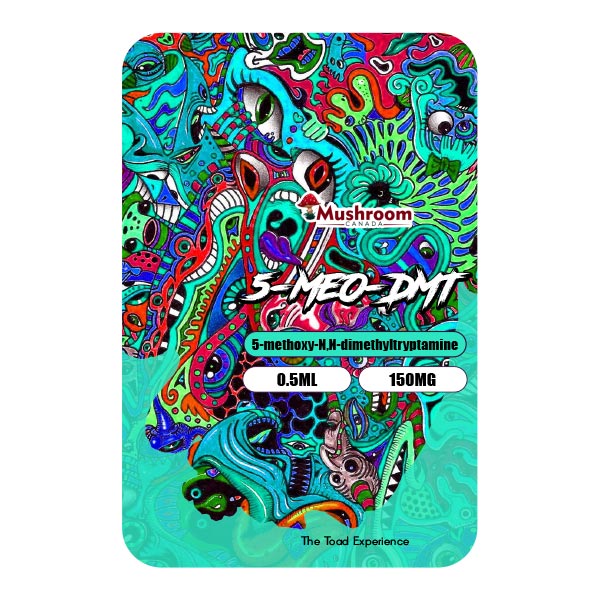
5-Meo DMT Vape Pen .5ml | 150mg
$135.00
Description
Description
Is a DMT Cart Real? How to Know, What Fakes Look Like, and How to Verify Any Cart
Introduction
“Is a DMT cart real?” is one of the most important questions anyone can ask before using one — and it’s a question the grey-market DMT cart landscape makes genuinely difficult to answer without the right tools and framework. The short answer is: yes, real DMT carts exist, are widely available through documented channels, and can deliver authentic N,N-DMT or 5-MeO-DMT experiences exactly as described. The more complete answer is: the market also contains a significant volume of counterfeit, substituted, underdosed, and completely inactive products that use real brand names and packaging to pass as verified products. Without a specific verification process, there is no reliable way to distinguish a real DMT cart from a convincing fake based on appearance, packaging, or price alone. This guide covers the authenticity question completely — what a real DMT cart contains, what fake versions contain instead, how to verify any product before and after purchase, and what the physical and chemical markers of a genuine cart look like in practice.
Yes, DMT Carts Are Real — Here’s What “Real” Means
A real DMT cart is a vape cartridge containing a solution of N,N-Dimethyltryptamine (N,N-DMT) or 5-MeO-Dimethyltryptamine (5-MeO-DMT) dissolved in a propylene glycol and vegetable glycerin carrier base, at a stated concentration, in verified 510-thread or disposable pen hardware.
Real DMT carts:
-
Contain a biologically active tryptamine compound at the concentration stated on the label
-
Deliver onset effects within 10–45 seconds of inhalation
-
Produce a complete psychedelic experience — visual geometry, time distortion, ego softening, and at breakthrough doses, full departure from consensus reality — that is qualitatively unlike any cannabis or nicotine product
-
Metabolize completely within 30–45 minutes, returning the user to baseline
-
Are available through documented grey-market dispensaries with verifiable brand identities and third-party lab documentation
Real DMT carts are sold by documented brands including Deadhead Chemist, Puff Boyz, Vice City Labs, Schwifty Labs, MMD Cosmo, Portal, Purecybin, and Third Eye — available through verified platforms at consistent market pricing between $100 and $180 for standard formats.
What Fake DMT Carts Actually Contain
The fake DMT cart problem is not a small or theoretical risk — it is a structural feature of an unregulated market with no external quality enforcement. The most commonly documented contents of fake DMT carts include:
Empty or Near-Empty PG/VG Solution
The simplest counterfeit: a cart filled with propylene glycol and vegetable glycerin solution with zero or trace amounts of active compound. The liquid looks correct (clear to pale yellow), the vapor production looks normal, and nothing happens after use — which users often attribute to technique error rather than product fraud on first experience.
Research Chemical Substitutes
Synthetic tryptamines that are not N,N-DMT — including various substituted tryptamines, some novel psychoactive substances (NPS), and compounds with unknown safety profiles — have been documented in carts sold as DMT. These products can produce psychoactive effects that partially mimic DMT, which makes them particularly dangerous: a user who experiences “something psychedelic” may not realize the compound they consumed was not N,N-DMT, may assume the dose was low, and may use more without understanding they are consuming an unknown substance.
Degraded or Oxidized N,N-DMT
A product that started as a real DMT cart but was stored improperly — exposed to light, heat, or air — can degrade significantly through oxidative conversion. The compound converts to inactive or partially active metabolites; the liquid darkens from clear/pale yellow to amber or brown. The product technically “contains DMT” but at a fraction of its original potency. This is less a deliberate fraud and more a quality failure, but the result — an ineffective or unexpectedly weak cart — is the same from the user’s perspective.
Repackaged Cannabis or Nicotine Products
At the extreme end of the fake spectrum: carts containing THC oil, CBD oil, or nicotine solution in DMT-branded packaging. These products are pharmacologically completely different from DMT and will not produce any DMT-like effects regardless of dose. They are documented in the social media and anonymous Telegram vendor channel tier of the market where brand packaging is the primary trust-building tool.
Correctly Labeled but Wrong Concentration
A real DMT cart with genuine compound but at a concentration significantly different from what’s stated — typically much lower. A cart labeled “400mg N,N-DMT” containing 150mg will produce some effects but require far more pulls than expected to achieve the stated dose level, leading users to assume their technique is wrong or their tolerance is different rather than identifying the mislabeling.
How Common Are Fake DMT Carts?
The honest answer is that no reliable market-wide data exists on counterfeit prevalence — the unregulated nature of the market that creates the fake product problem also prevents the systematic testing that would quantify it. What is documented from community harm reduction discussions and buyer reports:
-
Anonymous social media vendors (Instagram, Telegram) are the highest-concentration counterfeit channel in the market — a significant proportion of carts sold through these channels are not what they claim
-
Generic unbranded carts with no COA and pricing below $80 are high-risk regardless of claimed contents
-
Even named-brand products from documented platforms carry some counterfeit risk — brand recognition makes high-reputation products more valuable to counterfeit
-
The most reliable indicator of a real product is not brand recognition but documentation access: a COA from a named third-party lab matched to a specific batch is the hardest counterfeit element to replicate convincingly
The practical implication: fake DMT carts are common enough to make verification mandatory, not optional, regardless of source.
How to Tell If a DMT Cart Is Real: The Complete Verification Framework
Verification operates at three stages: before purchase, on receipt, and before first use.
Stage 1: Pre-Purchase Verification
Brand and formulation check:
-
The product listing must state N,N-DMT or 5-MeO-DMT explicitly — “DMT cart,” “psychedelic cart,” or “spirit molecule vape” without the specific compound name are not adequate formulation disclosures
-
Concentration in mg/mL or total mg must be stated — a listing with no concentration data cannot be verified against a COA and cannot be dose-calibrated by the buyer
-
Named brand must be present — Deadhead Chemist, Puff Boyz, Vice City Labs, Schwifty Labs, MMD Cosmo, Portal, Purecybin, Third Eye, or equivalent documented names with verifiable production histories
COA check:
-
Request or access a Certificate of Analysis (COA) from the vendor before purchasing
-
A real COA names the third-party testing laboratory, includes a batch number, states the compound identity (N,N-DMT confirmed), and provides a concentration measurement in mg/mL or mg/g
-
A COA that lists only “DMT: present” without quantitative concentration data is minimally useful — real COAs include concentration measurement
-
Cross-reference the batch number on the COA against the batch number on the product once received
Pricing check:
-
Established market pricing for documented brands runs $100–$135 for 0.5mL N,N-DMT carts and $134–$165 for 1mL premium fills
-
Below $80 for a single 0.5mL cart, product legitimacy is statistically improbable — the real cost of quality compound, ceramic hardware, and basic documentation does not allow for that pricing
-
Pricing dramatically below market rates for named brands is a counterfeit signal, not a value signal
Community verification:
-
Search the vendor name, platform URL, or claimed brand in r/DMT, r/dmtguide, Bluelight, and Shroomery for independent buyer experience
-
Prioritize reports from more than 90 days old — a cluster of recent positive reviews with no older community history is a manipulation pattern
-
A vendor with no verifiable community presence across any independent platform should be treated as unverifiable, not as an unknown quantity
Stage 2: Physical Inspection on Receipt
When the order arrives, before any use:
Liquid color inspection:
-
Look through the cartridge chamber at the solution
-
Real N,N-DMT in PG/VG carrier: Clear to pale yellow — the expected color of properly dissolved freebase N,N-DMT
-
Oxidized/degraded DMT: Amber, orange, or dark brown — compound has degraded through oxidation; potency is significantly reduced
-
Substituted compound or empty solution: May appear water-clear without the very slight yellow tint of N,N-DMT; or may appear unusually viscous or discolored
Label inspection:
-
Confirm N,N-DMT or 5-MeO-DMT explicitly stated — not just “DMT” in large text
-
Confirm concentration (mg/mL) is present on the label
-
Confirm batch number is present on both the cartridge/pen and the outer box — these should match
-
Check for printing quality on the label — counterfeit packaging frequently shows inconsistent font spacing, blurry graphics, or incorrect brand logo details
Hardware inspection:
-
Look at the coil element at the base of the cart chamber — ceramic coil appears as a white or pale grey cylindrical element; cotton wicks appear as off-white fibrous material
-
Ceramic coils are the appropriate hardware for DMT vaporization; cotton wicks can produce combustion artifacts at DMT’s required temperature range
-
Confirm the threading is clean and undamaged — damaged threading can prevent proper coil contact and produce inconsistent dosing
Stage 3: Chemical Verification Before First Use
This is the most definitive verification step available to any buyer without laboratory access:
Ehrlich Reagent Test:
The Ehrlich reagent is the standard field test for tryptamine compounds — it confirms the presence of indole ring structures, which include N,N-DMT, 5-MeO-DMT, and other tryptamines.
How to perform it:
-
Apply a tiny drop of liquid from the cartridge (using a pin, toothpick, or by gently pressing the mouthpiece to produce a micro-drop) onto a white ceramic or porcelain test surface — never introduce anything into the cart chamber
-
Add one drop of Ehrlich reagent to the sample
-
Observe the color change:
-
Purple to violet: Tryptamine confirmed — consistent with N,N-DMT or 5-MeO-DMT
-
No color change or yellow/orange: No indole compound present — the cart does not contain DMT or any related tryptamine
-
What the Ehrlich test confirms and doesn’t confirm:
-
Confirms: Tryptamine class compound is present
-
Doesn’t confirm: Which specific tryptamine (N,N-DMT vs. 5-MeO-DMT vs. another tryptamine)
-
Doesn’t confirm: Exact concentration
For concentration confirmation, a COA remains the only field-accessible document — the Ehrlich test tells you what class of compound is present, not how much.
Folin Reagent (Additional Test for 5-MeO Distinction):
For buyers who need to distinguish N,N-DMT from 5-MeO-DMT specifically — the Folin reagent reacts distinctly with 5-MeO-DMT versus N,N-DMT and can help differentiate between the two if the product labeling is unclear or unverified.
Signs a DMT Cart Is Real vs. Fake: Side-by-Side
What Happens If You Use a Fake DMT Cart?
The outcome of using a fake DMT cart depends on what the fake contains:
Empty/inactive solution: Nothing happens. The most common first-time user response is to assume their technique is wrong — they took too small a pull, didn’t hold long enough, or their body doesn’t respond to DMT. This leads to escalating pull counts from a product that has no active compound, wasting money and delaying access to a verified product.
Underdosed real DMT: A weakly active product produces below-threshold effects — mild visual brightening, slight mood shift — without the characteristic geometry and time distortion of a genuine N,N-DMT session. Users typically attribute this to technique or tolerance rather than underdosing and may use the entire cart attempting to achieve the documented effects.
Research chemical substitute: The most dangerous outcome. An unknown tryptamine or NPS with a superficially DMT-like profile but unknown safety data, unknown dose-response curve, and potentially very different risk profile. Users who experience partial effects may assume the DMT is simply “not as strong as described” rather than recognizing they consumed an entirely different and uncharacterized compound. The risk is not limited to the immediate session — novel compounds with unknown pharmacology carry long-term risk data that doesn’t exist.
Repackaged THC/CBD/nicotine: No DMT-like effects; effects of the actual contained compound. Buyers who paid $120–$160 for a DMT cart receive a cheap cannabis or nicotine product in premium packaging.
Real DMT Cart Effects: The Reference Standard
Knowing what a real DMT cart should feel like is the most practical field verification tool available after the Ehrlich reagent test. A genuine N,N-DMT cart produces a specific, recognizable effect profile with no close analogues in other substances:
Within 10–45 seconds of first pull:
-
Physical warmth spreading from the chest outward
-
Immediate visual brightening — colors saturate noticeably
-
A distinctive “rushing” sensation as onset accelerates
At 1–2 minutes:
-
Geometric patterning on surfaces — not subtle; distinct and unmistakable
-
Time begins to slow and distort
-
Physical body becomes heavy; motor coordination reduces
-
A characteristic “DMT sound” — a high-pitched harmonic tone — reported by many users at onset
At breakthrough (2–5 minutes):
-
Complete departure from the physical environment — room, body, and identity absent
-
Self-transforming geometric architecture of a complexity and vividness with no analogue in any other substance
-
Entity contact and communication at sustained breakthrough doses
-
Total time dissolution
By 30–45 minutes:
-
Complete return to baseline; afterglow of emotional openness and clarity
If none of these effects are present across multiple pulls from a cart that has been correctly warmed and used at the right voltage — or if the effects are mild and cannabis-like rather than geometric and dissociative — the product is almost certainly not a real DMT cart.
Where Real DMT Carts Come From: Verified Sources
Real DMT carts are available through documented grey-market platforms. The markers of a verified source mirror the product verification framework:
Verified platform markers:
-
Named brands in product listings with explicit N,N-DMT or 5-MeO-DMT formulation labeling
-
Concentration stated in mg/mL on product pages
-
COA accessible from product pages or available on request
-
Pricing within established market rates ($100–$180 single cart)
-
Community verification across independent platforms (r/DMT, Bluelight, Shroomery)
-
Visible shipping logistics infrastructure (policies, transit times, discreet packaging confirmation, reship policy)
Documented platforms meeting these criteria include:
-
dmtcartshop.com — Deadhead Chemist and Schwifty Labs listings at documented pricing
-
psychedelicmedicinaldispensary.com — multi-brand, multi-formulation catalog with explicit concentration data and worldwide shipping
-
psychedelia.io — Canadian in-house production with test results for all products
-
dmtsshop.com — Vice City Labs 800mg N,N-DMT premium cart and 5-MeO-DMT options with stated concentrations
FAQ
Is a DMT cart real?
Yes — real DMT carts containing verified N,N-DMT or 5-MeO-DMT exist and are available through documented grey-market channels. The market also contains a substantial volume of fake, substituted, underdosed, and inactive products that use real brand packaging and names. Verification through COA documentation and Ehrlich reagent testing is the only reliable method to confirm a specific product’s authenticity.
How do I know if my DMT cart is real?
Run an Ehrlich reagent test — a purple-violet color change confirms tryptamine presence. Before purchase, access a COA from a named third-party laboratory confirming N,N-DMT identity and concentration. On receipt, confirm liquid color (clear to pale yellow), label formulation type, and batch number consistency between cartridge and box.
What does a fake DMT cart look like?
Fake DMT carts are often visually indistinguishable from real products — same hardware, similar packaging, same brand labels. The difference is in the liquid (which may be too clear, too dark, or wrong viscosity), the absence of verifiable COA documentation, pricing below established market rates, and the Ehrlich test result (no color change rather than purple-violet).
Can a DMT cart contain something other than DMT?
Yes — documented counterfeit contents include inert PG/VG solution, research chemical tryptamine substitutes, repackaged THC or CBD oil, and real but significantly underdosed DMT at a fraction of the stated concentration. The Ehrlich reagent test confirms tryptamine presence but cannot identify which specific tryptamine is present or confirm concentration.
What should a real DMT cart feel like?
Onset within 10–45 seconds of inhalation with physical warmth, visual brightening, and characteristic geometric pattern overlays at threshold. At moderate doses: rich closed-eye geometry, time distortion, partial ego dissolution. At breakthrough: complete departure from consensus reality, entity encounters, total time dissolution, and full motor control loss. Effects peak within 2–5 minutes and resolve within 30–45 minutes.
What is the Ehrlich reagent test?
The Ehrlich reagent is a chemical solution that reacts with indole ring structures (tryptamines including DMT) to produce a purple-violet color change. It is the standard field verification test for DMT cart authenticity — available from harm reduction suppliers like Bunk Police for under $20. A purple-violet result confirms tryptamine presence; no color change means no tryptamine is present.
What color should a real DMT cart liquid be?
Clear to pale yellow — the expected color of properly dissolved freebase N,N-DMT in a PG/VG carrier base. Dark amber, orange, or brown liquid indicates significant compound degradation through oxidation. Water-clear liquid without the slight yellow tint of N,N-DMT may indicate an inert solution or a substituted compound.
Is a DMT cart dangerous if fake?
The danger of a fake DMT cart depends on what it contains. An inert product is physically harmless but financially fraudulent. A research chemical substitute is potentially dangerous — it may produce unexpected psychoactive effects with unknown safety data, unknown dose-response curves, and no harm reduction documentation. A repackaged THC or nicotine product is pharmacologically different from DMT and may cause unexpected effects in users prepared for a DMT session rather than a cannabis or nicotine experience.
Closing Thoughts
The answer to “is a DMT cart real?” is always: possibly — and the job of every buyer is to convert that uncertainty into confirmation through a specific verification process before use. Real DMT carts exist, are well-documented, and are available through verified channels. The grey market also produces a substantial volume of counterfeits that make visual and packaging-based trust genuinely dangerous.
The verification framework in this guide — pre-purchase COA access and community check, receipt-stage liquid color and label inspection, and pre-use Ehrlich reagent testing — takes under 20 minutes total and is the difference between knowing what you’re using and guessing. No brand name, no platform reputation, and no marketing claim substitutes for running those three steps.
For verified listings from documented brands with accessible lab results and stated concentrations, [Link to verified DMT cart shop] is the recommended starting point for buyers who have completed this research.
Delivery Info
- Standard and Express delivery services are available for all items.
- Shipping costs are calculated at the checkout page (after delivery option & destination confirmation).
- Tracking is available for all delivery options.
- Items are delivered during standard business hours.


Reviews
There are no reviews yet.